
















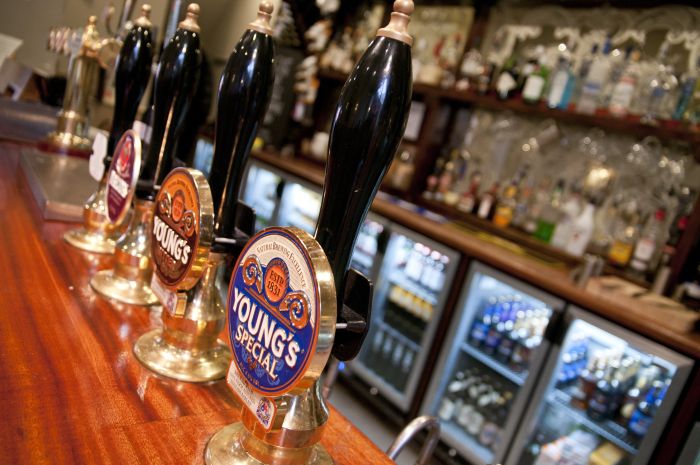
The commercial property sector has been reacting to the change in business rates announced at 6am this morning: pubs, clubs and live music venues in England will get a 20% business rates cut from April.
Chris Grose, Rating Director at Hartnell Taylor Cook and Junior Vice President of the Institute of Revenues, Rating and Valuation (IRRV), said:
“Additional business rates relief for pubs, leisure and hospitality will be welcomed, but average savings of £1,100 per year are more of a helping hand than a game changer. This is will not be enough on its own to transform the fortunes of struggling operators facing much larger cost pressures.
“What’s more significant is how the government intends to pay for it. Rather than introducing an additional surcharge on larger commercial properties – possibly due to the difficulty of identifying large online warehouses without impacting other large units – it has chosen to fund the relief through a clampdown on VAT compliance among online sellers and removing business rate reliefs from ‘vape shops’. But what if a vape shop sells more than vapes? The practical challenges of pursuing this route remain to be ironed out.
“This targeting of online sellers, as consulted on in June, represents an interesting shift in approach: that the government is looking to rebalance support for the high street without placing further pressure on bricks-and-mortar businesses.”
Chris has previously advocated for wholesale reform of business rates, rather than tinkering around the edges:
“The situation our pubs are in goes beyond just business rates. Costs of day-to-day operations are increasing, and consumer habits are also changing – the fact is people don’t drink in pubs the way they once did. That being said, we need less performance and more progress to fix our rates system. This is just more political tinkering around the edges. If the Government does want to keep the system they have, they would do well to strip it right back to the basics. The system needs simplifying, not further layers of change. Proper reform would start with delinking the rate in the pound – which should be a single, fixed rate that is not changed annually – from the total value of the rating list and removing reliefs as an anchor.
“Reliefs are temporary by nature; they are signs of placation and not progress. Once introduced, they also prove hard to strip away. They can be served up as happy surprises that improve the mood, and this tactic has been seen plenty in recent years. But these reliefs skirt around the core problem: the need to get rid of any mismatches between rateable values, the rate in the pound, and their relationship to a market that has changed significantly since 1990.”